
 Canadian Quakers believe that justice must be compassionate and focus on how to heal rather than how to punish. This is what's called “penal abolition” (PDF).
The worldwide community of Quakers has worked on concerns related to justice for over 350 years. These stem originally from experiences in the seventeenth century of being imprisoned for our beliefs. We continue to let our work be guided by spiritual discernment and by those with lived experience of the system. Here is Lisa sharing her story with us:
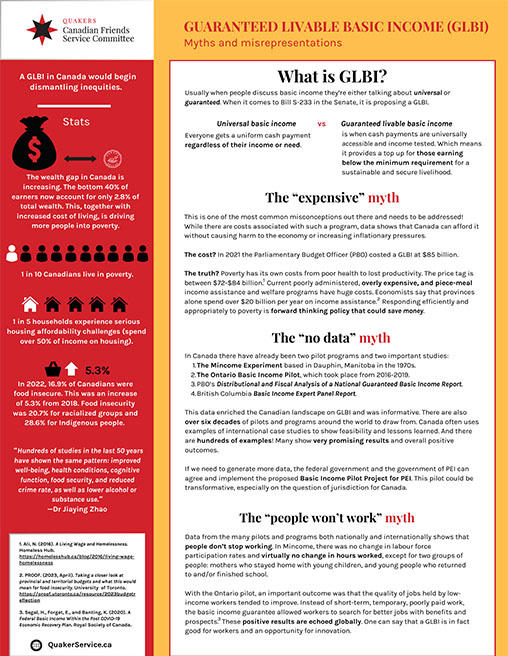
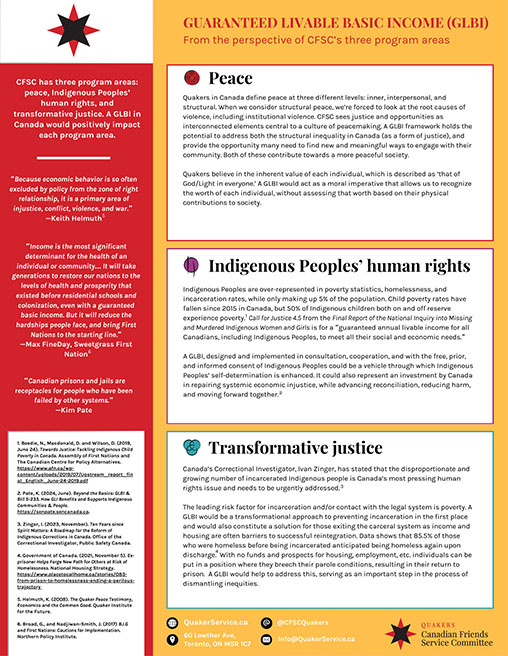
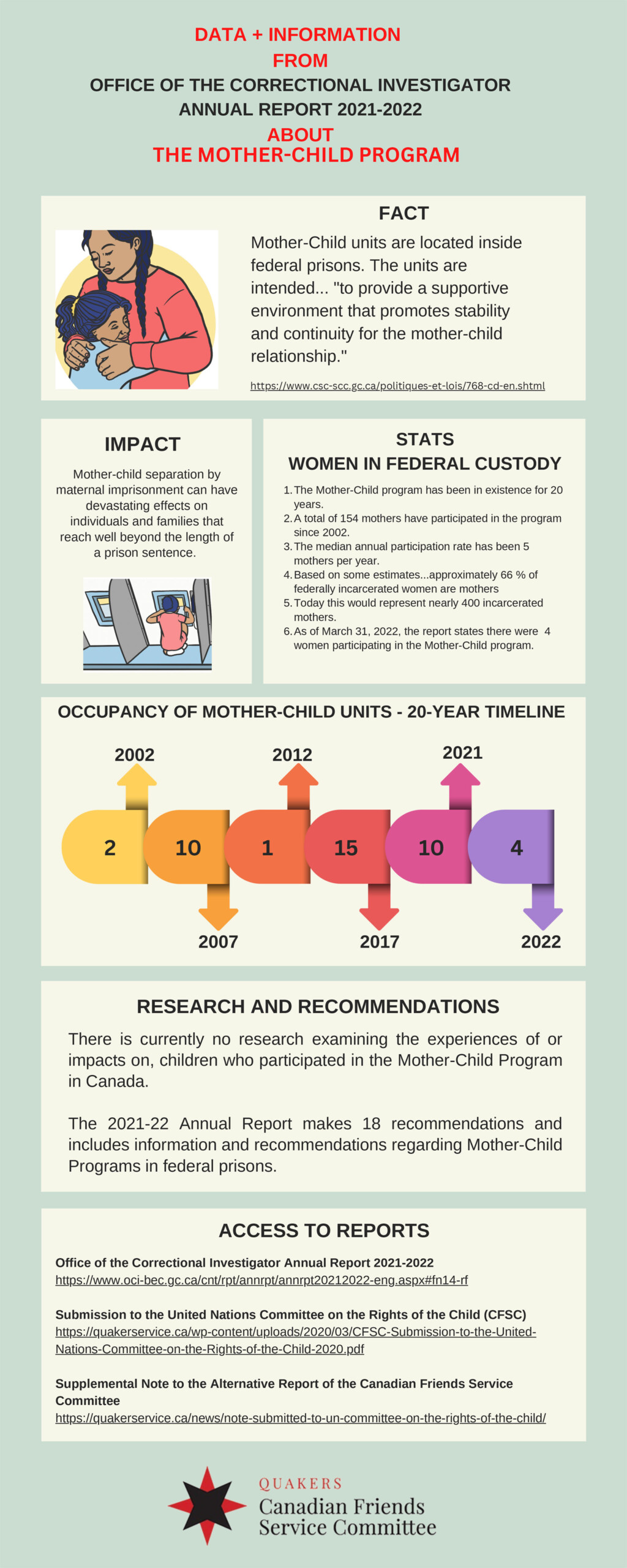
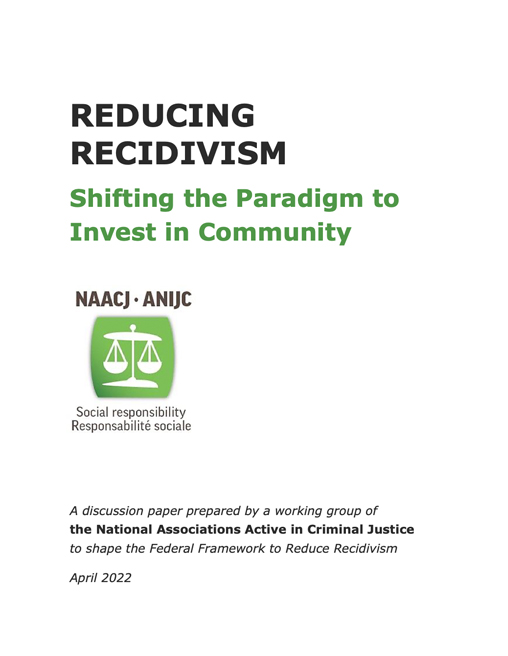
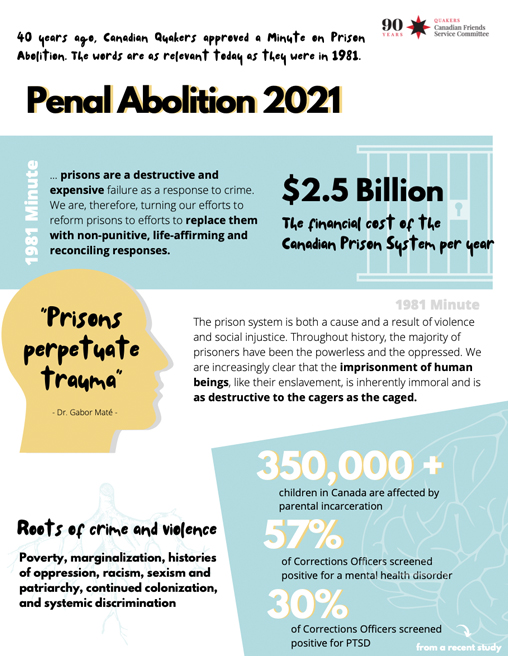
Infographic with data from the 2021-2022 Office of the Correctional Investigator's report about Mother-Child Units in prisons. (2022) Discussion paper on reducing reoffending through investing in communities (includes input from CFSC). (2022) Infographic for Prisoners' Justice Day 2021 about the need to abolish prisons. (2021) Sample case law review on consideration of the best interests of the child when sentencing parents. (2018) Handout on parole and its role in rehabilitation and community safety. (2017) Handout From Harm to Healing: Transforming the Justice System. (2015) Guidelines for mother-child units in Canadian correctional facilities. (We participated in the editing process.) (2015) Film A classic that includes Friends and others talking about what penal abolition means and how to achieve it. (2003)
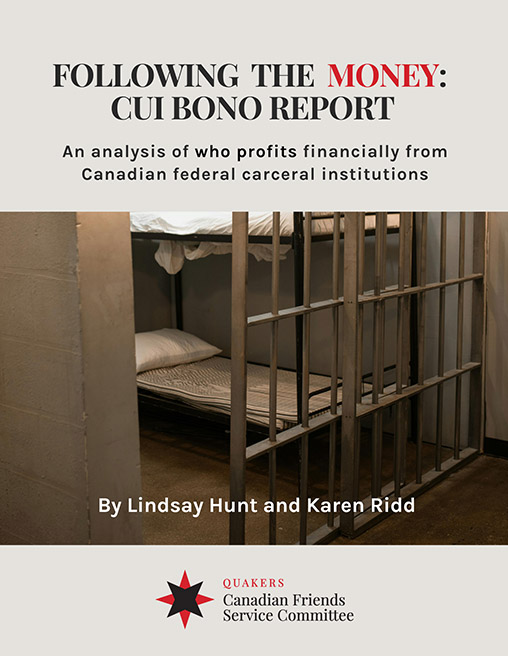

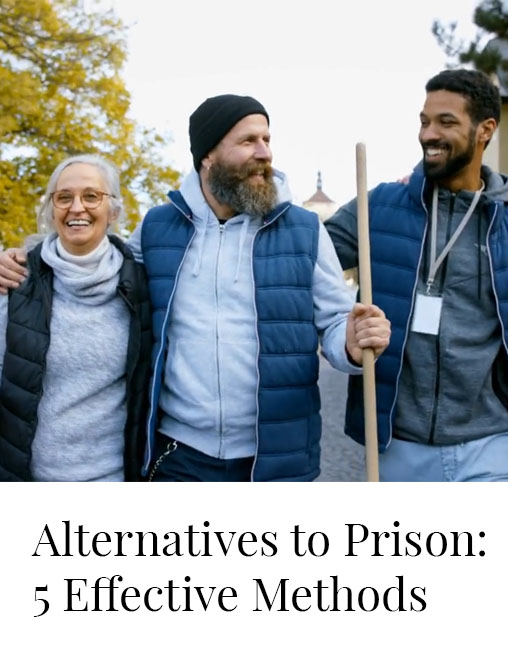
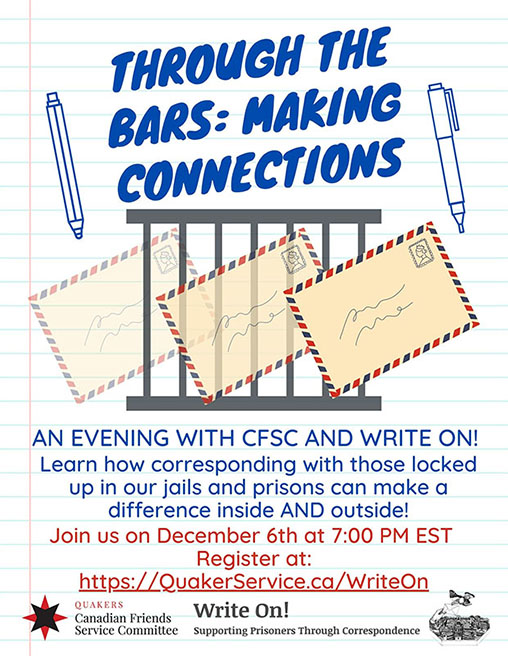
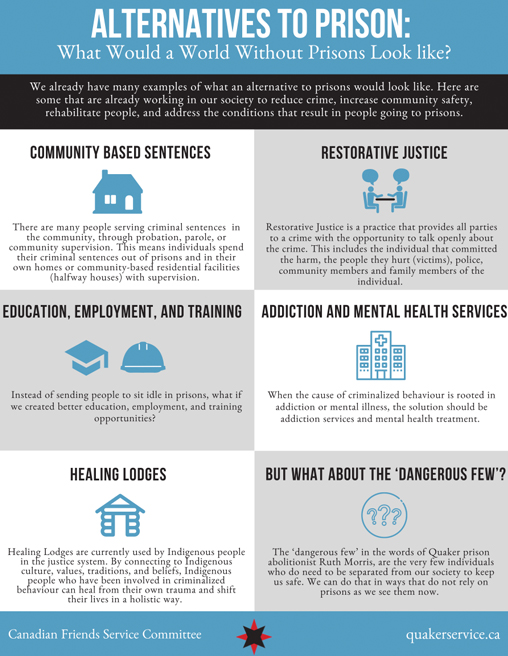


CFSC promotes responses to crime that actively prevent harm, repair harm, and move beyond harm throughout the criminal justice system. We do this in ways that balance the needs of all parties and are concerned for society as a whole. We actively promote alternatives to prison and encourage the use of restorative and rehabilitative practices.
We take action in the following ways:
- Public education through workshops, resources, and facilitating dialogues.
- Policy influence through consultations and engagement at the Canadian and international levels.
- Providing small community grants to support local grassroots organisations.
- Researching and monitoring key issues.
- Working in partnership with justice networks and organisations to clarify, strategize about, and act on our beliefs.
Currently, CFSC has two priorities in the criminal justice system: the benefits of restorative justice and alternatives to policing and prisons.
Moving from systems that harm to systems that heal

Seeking the Truth by Leah Dockrill, featured in Understory Magazine Issue 8: Women and Justice, supported by a CFSC grant.
In 1981, Canadian Quakers became the first religious body to call for the abolishment of prison. Friends adopted a minute (PDF) that stated in part:
The prison system is both a cause and a result of violence and social injustice. Throughout history, the majority of prisoners have been powerless and oppressed. We are increasingly clear that the imprisonment of human beings, like their enslavement, is inherently immoral, and is as destructive to the cagers as to the caged.
…
Prison abolition is both a process and a long-term goal. In the interim, there is a great need for Friends to reach out to and to support all those affected: guards, prisoners, victims, and families.
The minute also recognized “a need for restraint of those few who are exhibiting dangerous behaviour” but called for the restraint to be humane. Learn more about Friends' historic position on abolishing prisons. (The minute and background are also available in French.)
Penal abolition acknowledges that the harm caused by prisons comes from the systemic focus on punishment. Changing this mindset means transforming harmful approaches to ones that are healing.
The term “penal” originates from the Latin and Greek words for punishment, and to “punish” is to cause suffering. It is the suffering inherent in the justice system that Quakers wish to abolish—for victims, perpetrators, institutional staff, families, and communities.
Our 2016 article Revenge (PDF, pages 3 and 5), examines the roots of the concept of vengeance and how this continues in our modern criminal justice system.
Transformative justice
Transformative justice uses the power unleashed by the harm of a crime to let those most affected find truly creative, healing solutions. Transformative justice includes victims, offenders, their families, and their communities, and invites them to use the past to dream and create a better future.
—Ruth Morris in Stories of Transformative Justice (2000)
CFSC supports restorative justice and rehabilitative practices as an alternative to a punitive criminal justice system. Restorative justice acknowledges that criminal behaviour causes harm to victims, communities, and also offenders. Rather than punishing an offender, CFSC encourages the use of practices that focus on healing and restoring community balance, including structural injustices that lead to crime and inequality. CFSC also sees the need for better supports and options for people who've been harmed.
For decades we have been active in supporting initiatives such as the Alternatives to Violence Project, Circles of Support and Accountability, and volunteering in local prisons.
CFSC also engages in education and policy work in transformative justice through our partnerships with organizations such as the National Associations Active in Criminal Justice, the National Restorative Justice Symposium, and the Centre for Research into the Processes, Outcomes, and Impacts of Incarceration.
Penal abolition workshops
CFSC hosts informal workshops on penal abolition and transformative justice. We aim to work with people to better understand the justice system in Canada, how our beliefs lead to penal abolition, what this means, and how we can envision alternatives. If you are interested in CFSC conducting a workshop for you, please contact us.
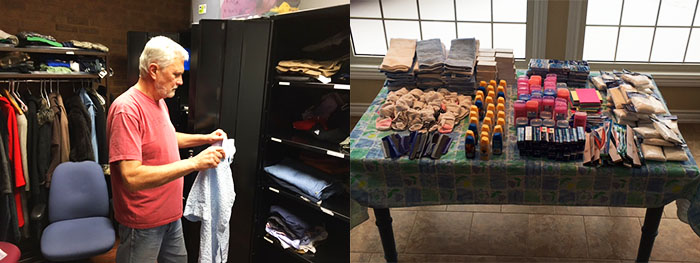
Don McCaffrey of Yonge Street Monthly Meeting and the essentials kits provided by the Helping Hands Project at Newmarket Court, Ontario 2017
Community grants
CFSC provides community grants to encourage projects that engage in transformative justice issues and align with our values and ways of working. We provide approximately $1,000 to five or six applicants per year.
How to apply
If you want to apply for a grant, please read our Guidelines and Proposal Requirements (PDF) and email your completed application to us as described in that document. We review applications as they come in.