
Lessons from the road #3: welcomed into relationship (reflections from Eeyou Istchee)
August 27, 2026
Lessons from the road #5: what presence makes possible
August 27, 2026After our recent Staff Learning tour in Northern Quebec, we invited our staff to write reflections about their time there. In this series of ‘blog’ posts, you learn about how each of our Program Staff and General Secretary connected with the trip, and why it was important to them!
Next up is our Government Relations Representative Sandra Wiens:
A traditional way of life maintained: the economic security program for Cree hunters
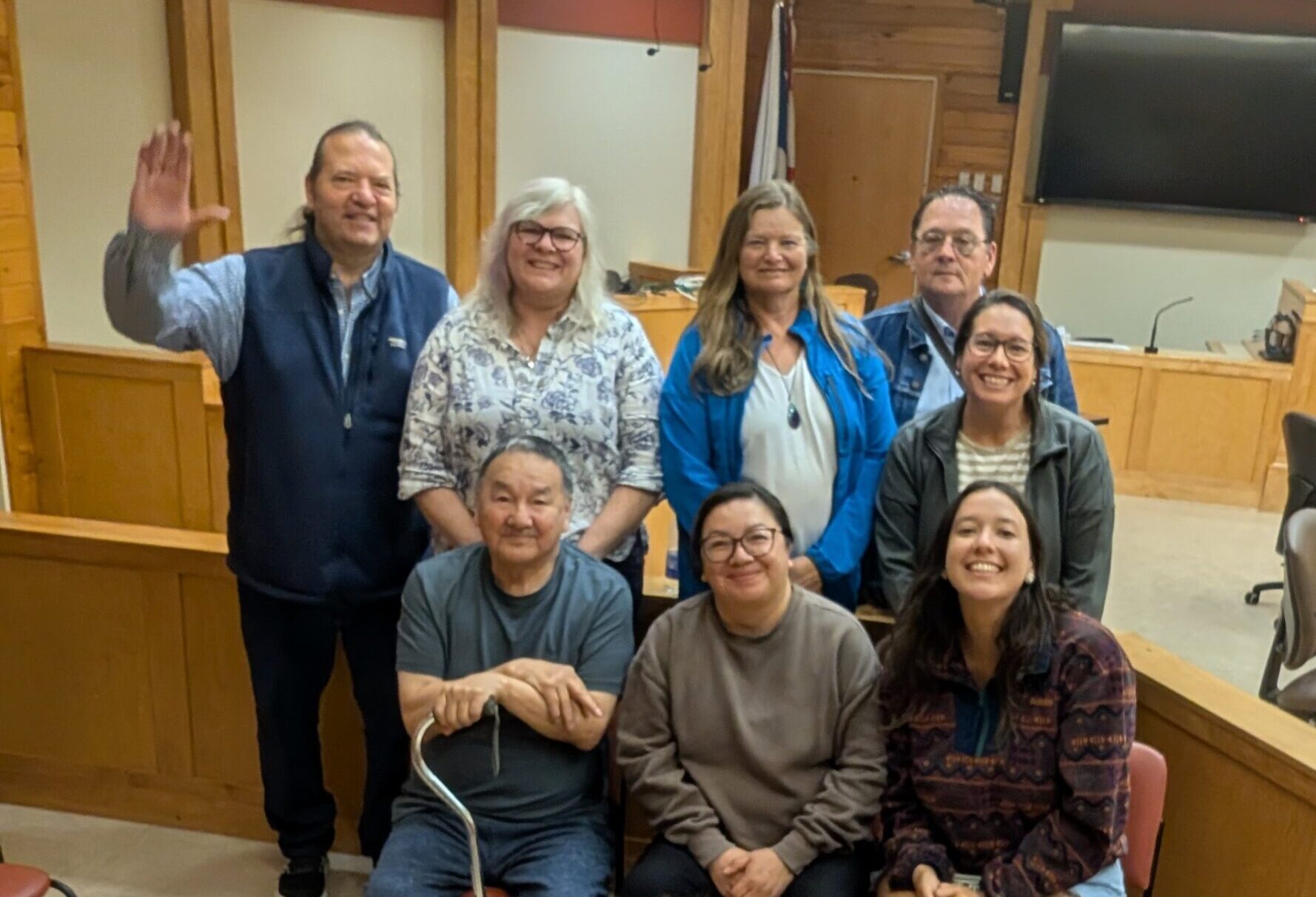
Among the many interesting and unique experiences of being welcomed in Mistissini, the highlight for me was listening to Robert—a Tallyman for his territory[1]—discuss the past and present traditions of hunting and trapping in Eeyou Istchee. What I learned was that there was an additional intriguing benefit of the 1975 James Bay and Northern Quebec Agreement (JBNQA) negotiated with the Cree Nation, which was the establishment of the Economic Security Program for Cree Hunters, which is exclusively intended for members of the Cree nation who wish to continue to practice wildlife harvesting activities as a way of life, all while receiving a guaranteed annual income.
 For a little context, two years ago, CFSC launched a campaign in support of a Guaranteed Livable Basic Income (GLBI) in Canada. CFSC believes that a GLBI is a much-needed program that could help address the major inequalities being faced today—homelessness, affordability, food security and income inequality, which are all on the rise. While not intended to be a complete solution to the polycrisis, advocating for a GLBI is a step on the pathway to greater equality and a just society. In considering a GLBI, we heard about the few Canadian examples of Basic Income that have occurred: MINCOME in Dauphin, MB, in the 1970s, and more recently, the Ontario basic income pilot (OBIP), which was cancelled after one year in 2018. What I later found out through partners and networks was that in the James Bay area of northern Quebec, the Cree Nation has had a guaranteed income support for hunters and trappers since 1976—the economic security program (ESP). I was excited to learn more!
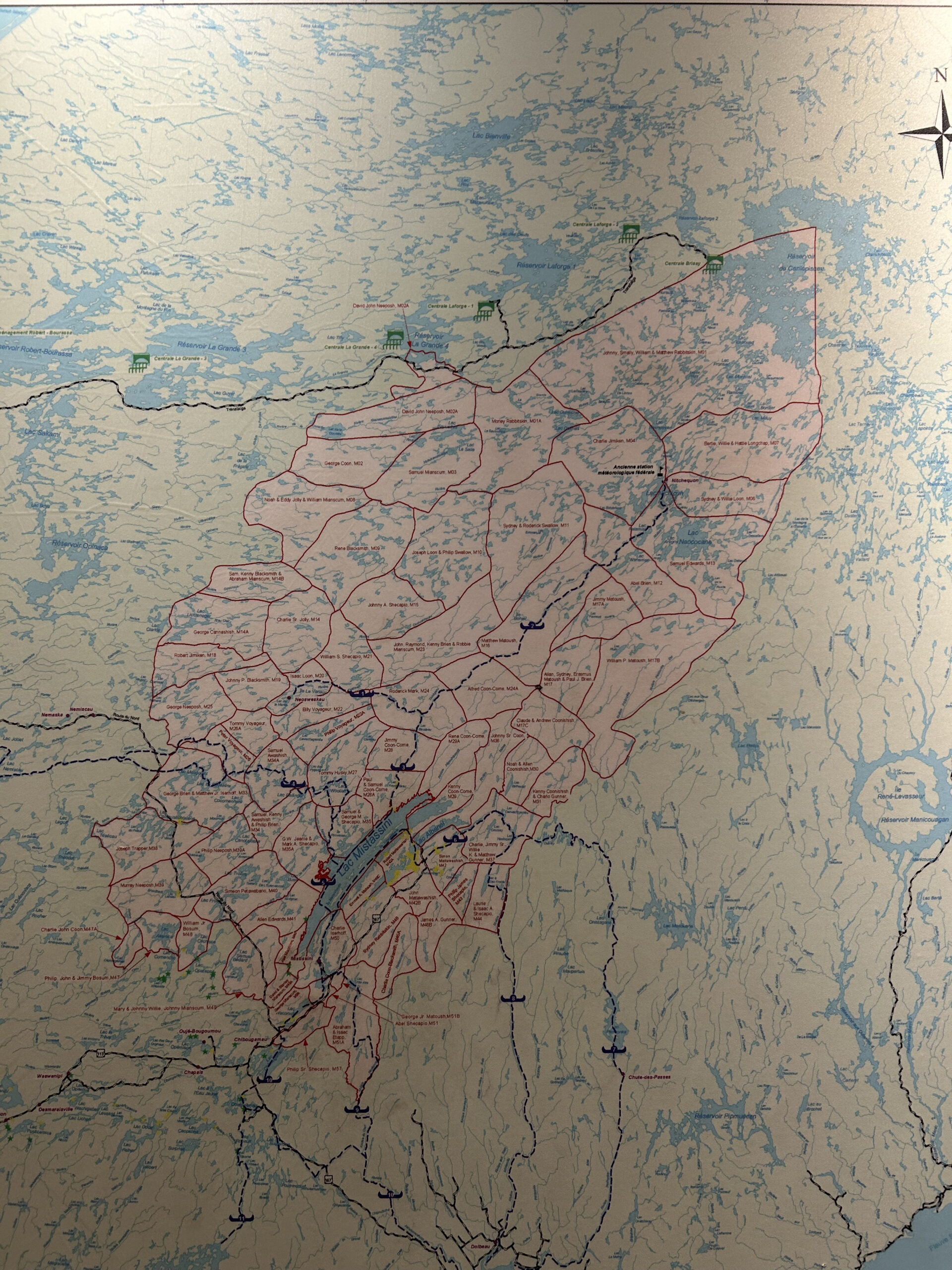
What I learned from Robert was beautiful; a way of life that held deep connection to family, community, the land and animals. Spending six to nine months laying trap lines and hunting in territories that are traditional lands of each family. Lands that give life and healing and in return are cared for and stewarded by those who know it best. In late summer, going out on canoes with dogs and all the equipment one needs to live off the land until spring. A way of life that was threatened by colonialism, residential schools and modernization, but one that persists. Robert shared how he was lucky to have learned the traditional ways from his parents and how he has passed the knowledge on to his children and grandchildren.
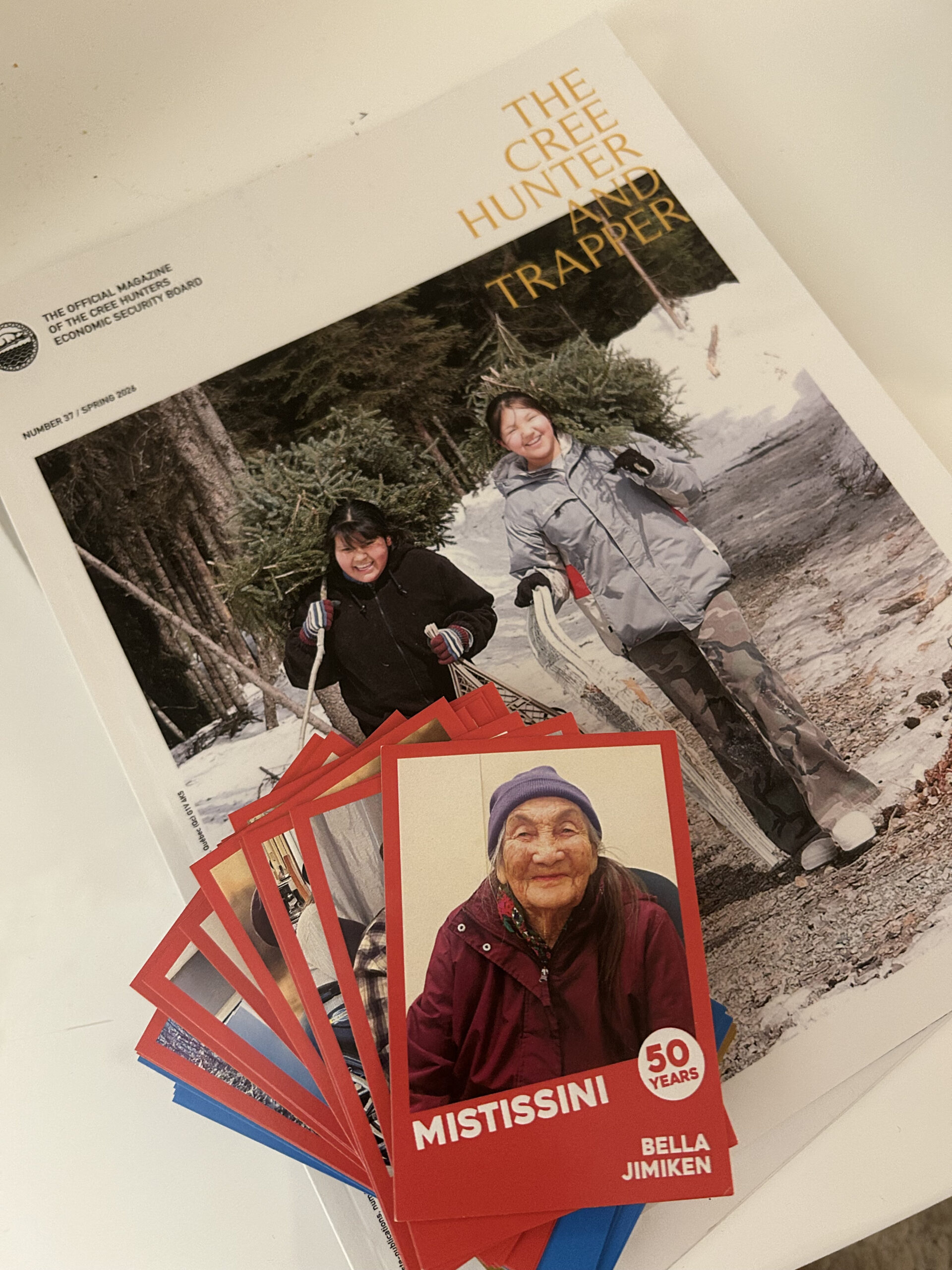
 The Economic Security Program, celebrating 50 years this year, has certainly provided the freedom for people to connect with tradition and land by offering an income supplement for hunting and trapping. Everyone we saw and talked to, knew of the program and many benefited from it. But times are changing and the elders and tallymen are getting older, and the youth are not taking up the traditional ways as closely as they used to. Robert believes some changes—adaptations—to the ESP are needed, a foot in both the past and present (so to speak) so that elders can pass on knowledge to young people, and young people can learn and fuse this knowledge as an investment in their future. In the hope I witnessed during my time there—lies a pathway for the program to remain as essential to the community’s future as it has been to its past. A future that depends not on abandoning its roots, but on growing them in new soil.
[1] A Cree tallyman is a person recognized by a Cree community as being responsible for supervising harvesting activities on a Cree trapline (Source: https://forests.org/grant-cree-first-nation-marten-trapping/)