
Lessons from the road #2: prevention, care, and self-determination: justice initiatives in Eeyou Istchee
August 27, 2026
Lessons from the road #4: economic security program for cree hunters
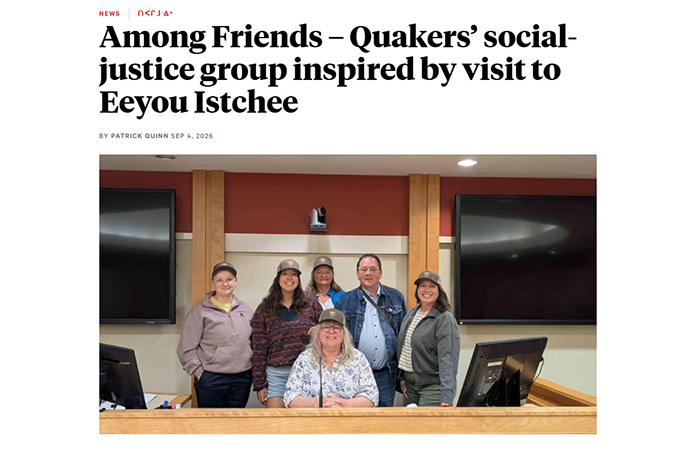
August 27, 2026After our recent staff learning tour in Northern Quebec, we invited our staff to write reflections about their time there. In this series of blog posts, you’ll learn about how each of our program staff and General Secretary connected with the trip, and why it was important to them!
Next up is our Indigenous Rights Coordinator Sarah Bear:
Welcomed into relationship: reflections from Eeyou Istchee
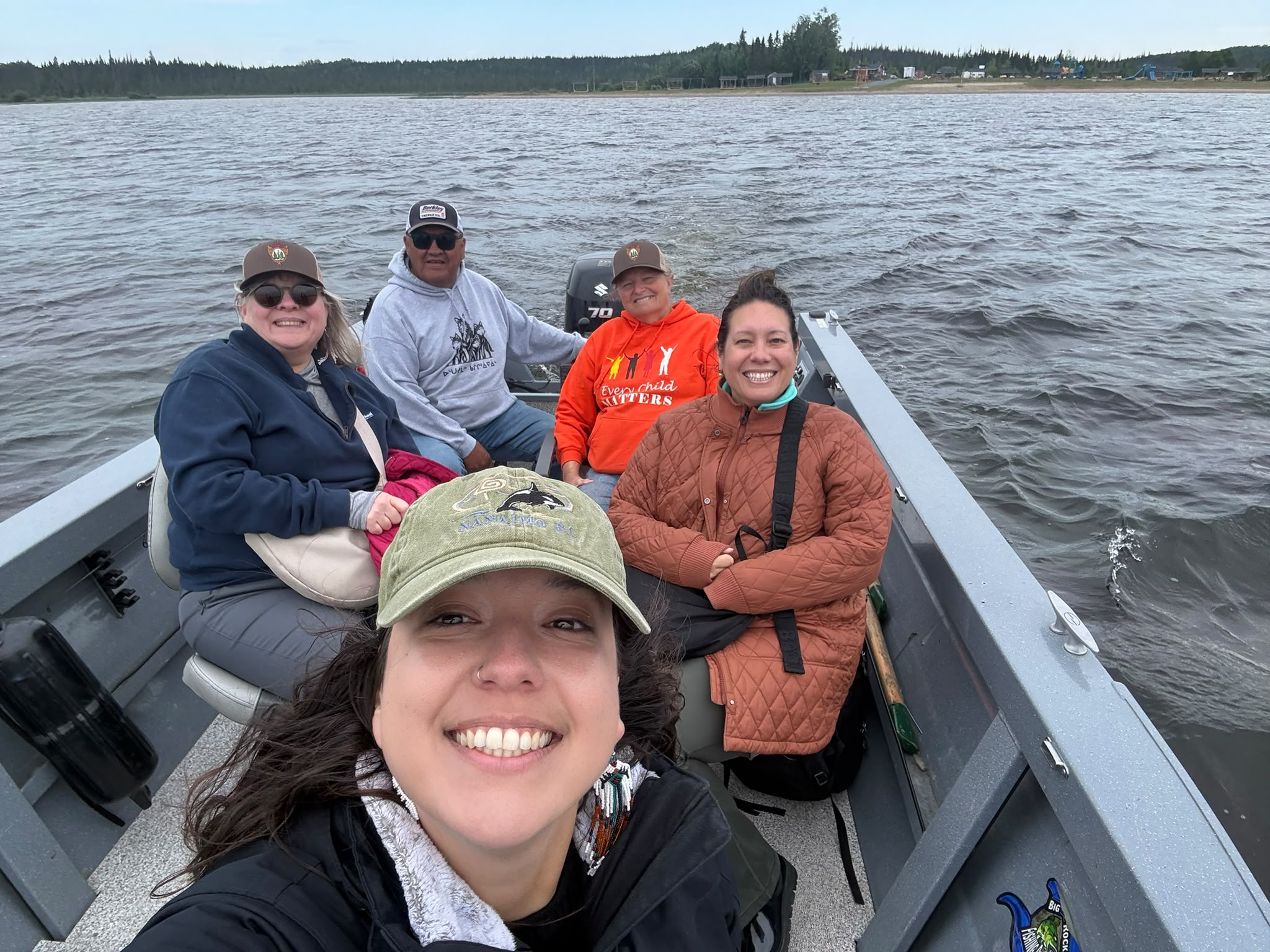
Indigenous governance, self-determination, and rights implementation are relational. Just as Indigenous Peoples exist in relationship to the lands, animals, waters, and other beings of the places to which they belong, so too do they exist in relationships with one another. Being welcomed onto the lands of another Indigenous nation, as a Wolastoqey woman myself, reflected for me an Indigenous-to-Indigenous expression of self-determination rooted in and respecting place. Activities that may seem simple upon first glance, such as a boat trip out on Lake Mistassini or picking wild blueberries and Labrador tea on the land, are actually reflections of generations of place-based relationships between Cree people and the waters and lands around them. In sharing those relationships with me, they also brought me into relationship and invited me to see their community, their agreements, and their governance, justice, and education structures through a lens other than my own.
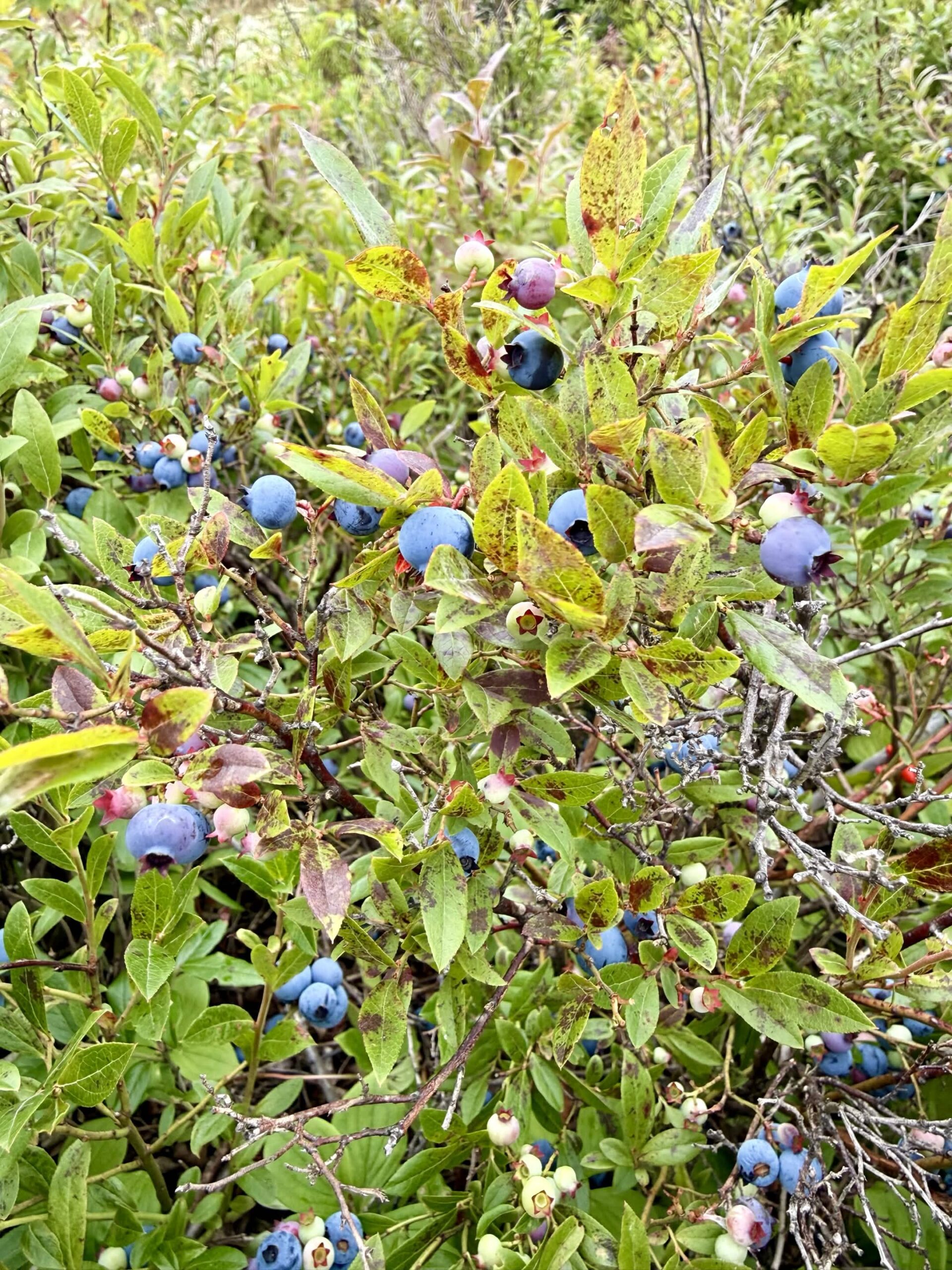
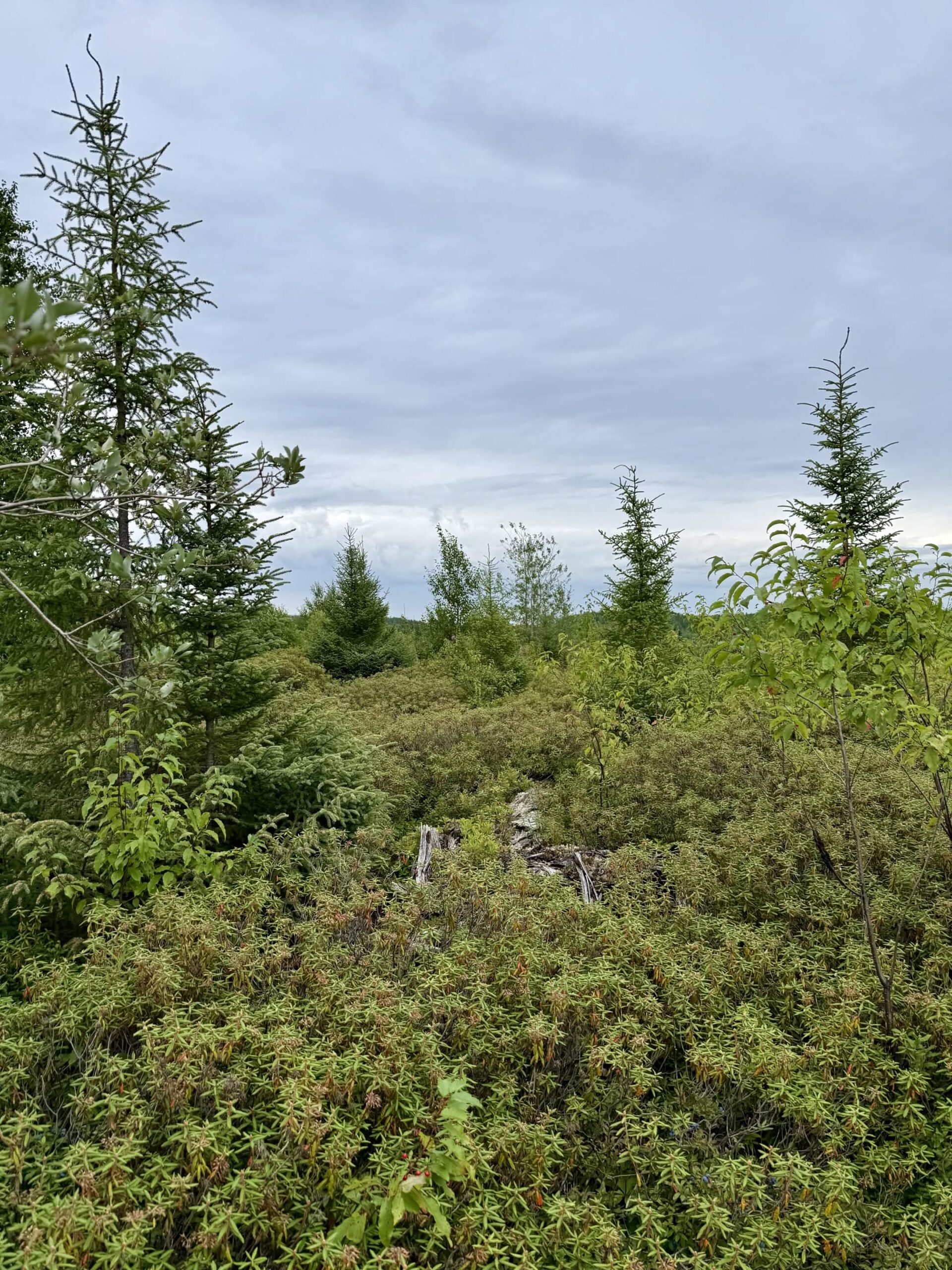
I grew up listening to stories about my dad and his siblings picking wild blueberries in Maine. Being taken out on the land, seeing rows upon rows of bushes heavy with ripe blueberries, and later sharing the jam our host made from the day’s harvest brought those stories back to me and made me feel closer to my own family, even while I was the furthest north I’ve ever been. Finding that connection as a welcome guest in Eeyou Istchee felt, in a small and contemporary way, like part of a much longer history of relationships across Indigenous nations. Through movement, diplomacy, trade, and knowledge exchange, Indigenous Peoples have long expressed their nationhood and governance in relationship with one another, while remaining grounded in distinct relationships and responsibilities to place.
 |  |
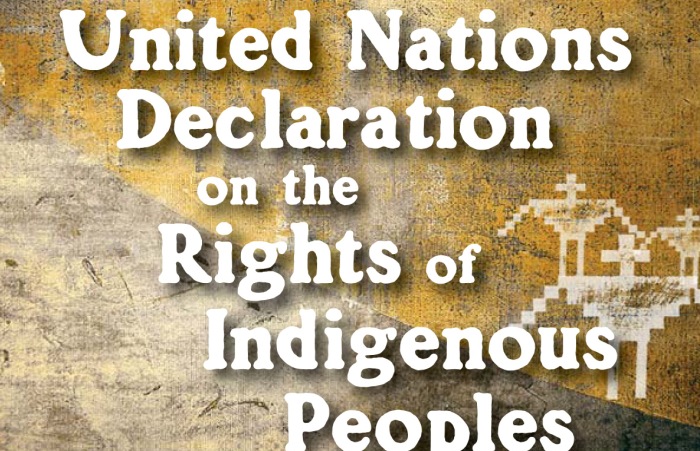
This has particular meaning for my work with CFSC. Our Indigenous rights work includes advocacy for the implementation of the UN Declaration on the Rights of Indigenous Peoples and the Truth and Reconciliation Commission’s Calls to Action. But relationship-building cannot happen exclusively through Zoom meetings, litigation, UN spaces, policy documents, or email lists. Accepting invitations into communities and learning from how Indigenous Peoples exercise their rights, governance, and self-determination in relation to their lands and waters gives that advocacy a different grounding.
I am still new to my role as CFSC’s Indigenous Rights Program Coordinator. One of my earliest experiences in this work was not attending a conference or reading a policy document, but being welcomed onto the lands and waters of another Indigenous nation. I hope to carry the relationships, responsibilities, and lessons that came with that welcome into the work ahead.